
34 Modern Living Room Ideas for Apartments

Designing a modern living room in an apartment is a balancing act between style, function, and comfort. Over the past two decades in interior design, I’ve worked on spaces from Manhattan studios to high-rise apartments in Seoul, and I can tell you this: the most stunning rooms don’t just look good, they work with how you actually live.
Below are twenty original, field-tested ideas that go beyond the generic advice. Each one is rooted in design psychology, tested in real apartments, and easy enough for anyone to apply without expensive renovations. Here are Modern Living room ideas for apartments.
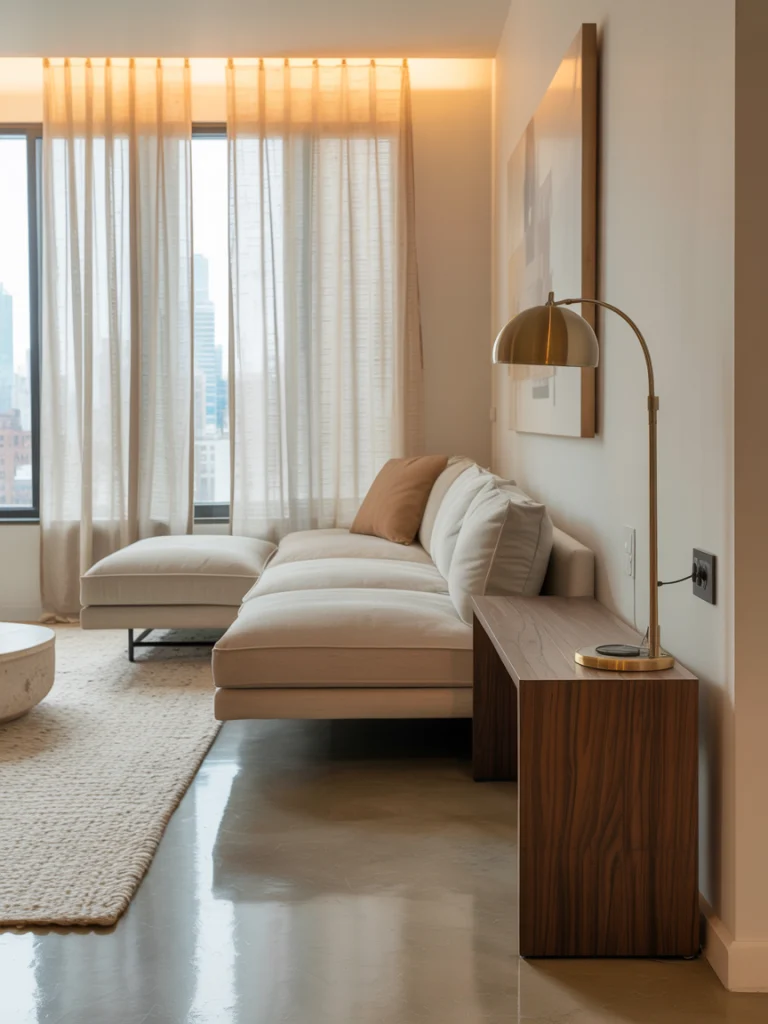
Use a Floating Sofa to Control the Room’s Flow:
Most people push their sofa against the wall because it feels like it “opens space.” In reality, floating it even 12 inches forward can create natural walking paths behind it, breaking the visual monotony. I’ve used this trick in narrow NYC apartments where traffic jams happen between the kitchen and living room. Pair it with a slim console table behind the sofa for a lamp and hidden charging station. You will get both beauty and function.

Frame the View with Low-Profile Furniture:

In urban apartments, your window view, whether it’s city lights or greenery, is an asset. Low-back sofas and streamlined chairs keep sightlines open, making the room feel like it extends outside. In one Seoul apartment I designed, the skyline became the “art” because nothing blocked it. Avoid bulky recliners or high-backed sectionals unless you have a true focal wall.
Build a Wall Niche Instead of Adding Furniture:

When floor space is precious, built-in wall niches offer storage and display without eating into the room. They work wonders behind sofas or next to TV units. Painting the inside a slightly darker tone than the wall adds depth perception, which subtly enlarges the room visually.
Layer Light for Mood Shifts:


A single ceiling light flattens everything. In apartments, I recommend a three-point lighting strategy: ceiling fixture for general illumination, table lamps for intimacy, and hidden LED strips for drama. The key is to put each on a dimmer switch so you can go from “coffee with friends” to “movie night” instantly.
Balance Sleekness with Natural Materials:


Too much glass, metal, or lacquer can feel sterile. Adding a walnut coffee table, woven pouf, or stone side table grounds the design. I once had a client replace a glossy white TV console with a reclaimed wood piece, and guests instantly said, “It feels warmer in here.” That is the subconscious comfort natural textures provide.
Scale Your Art to Command the Space:

Small frames scattered across a wall make a room feel busy. One large-scale piece, even if it’s just a stretched textile, creates a confident focal point. The brain perceives fewer “visual interruptions,” making the space calmer. If you can’t afford oversized art, use a blank canvas and fabric wrap it in a bold, textured cloth.
Turn a Window Ledge into Functional Seating:
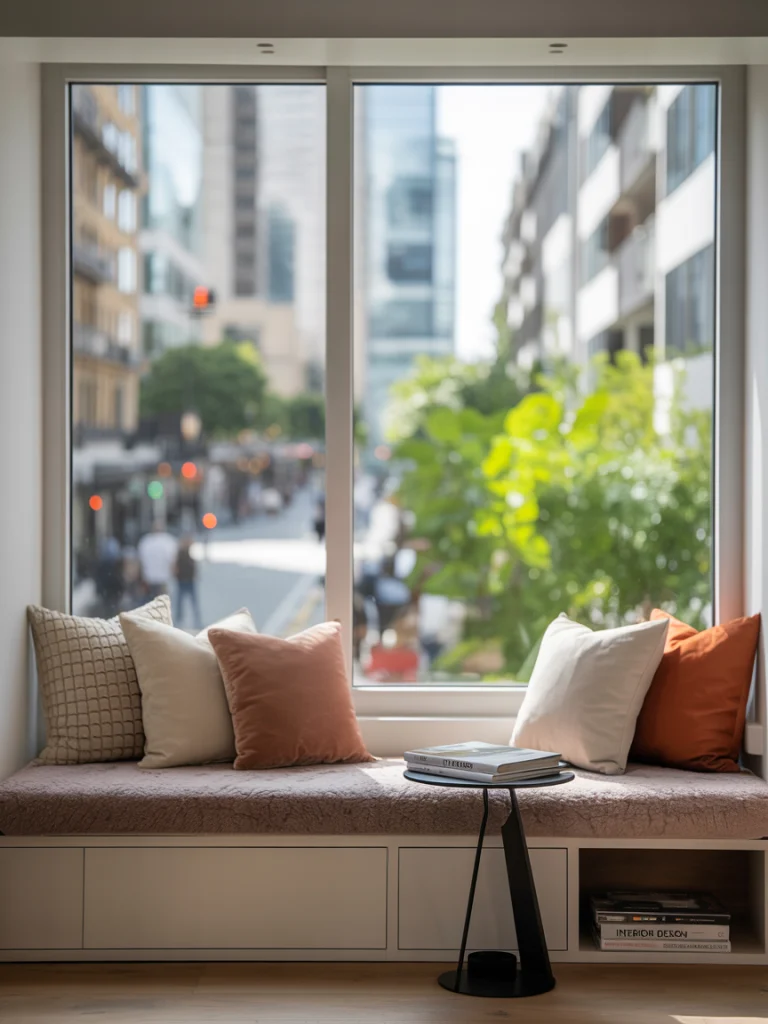
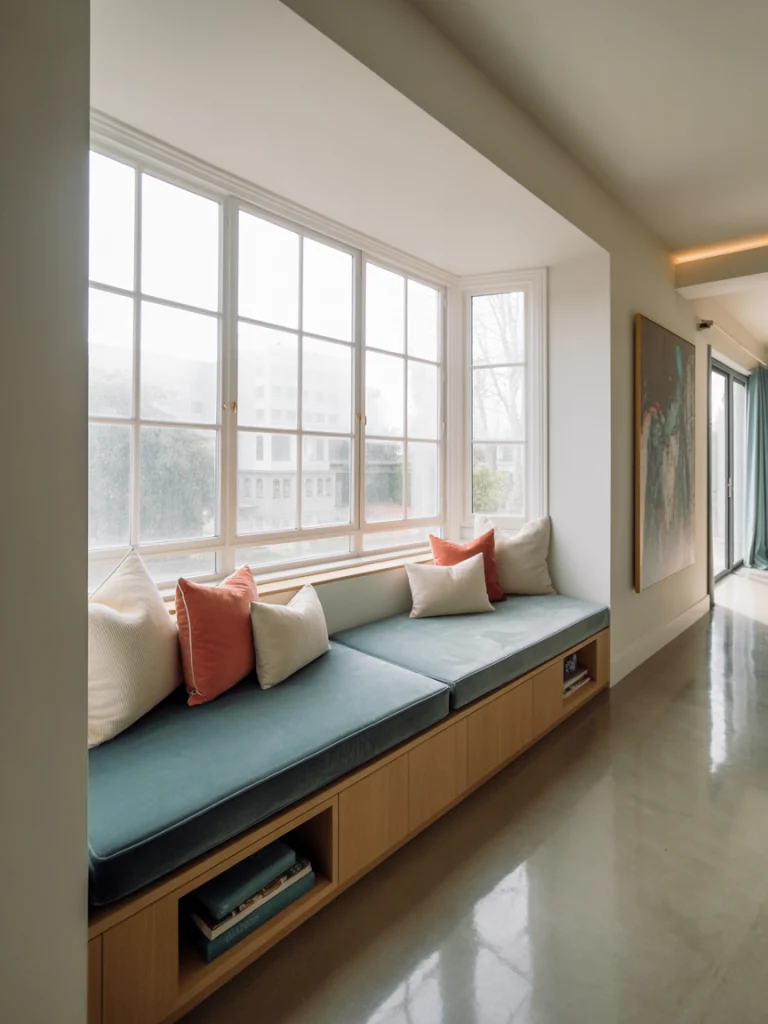
Apartments with bay or deep windows are perfect for a built-in bench. I’ve transformed unused sills into reading corners, coffee spots, and even extra dinner seating. Use a firm cushion to keep it comfortable for longer sits, and add storage underneath with lift-up panels.
Make Curtains Invisible for Vertical Impact:
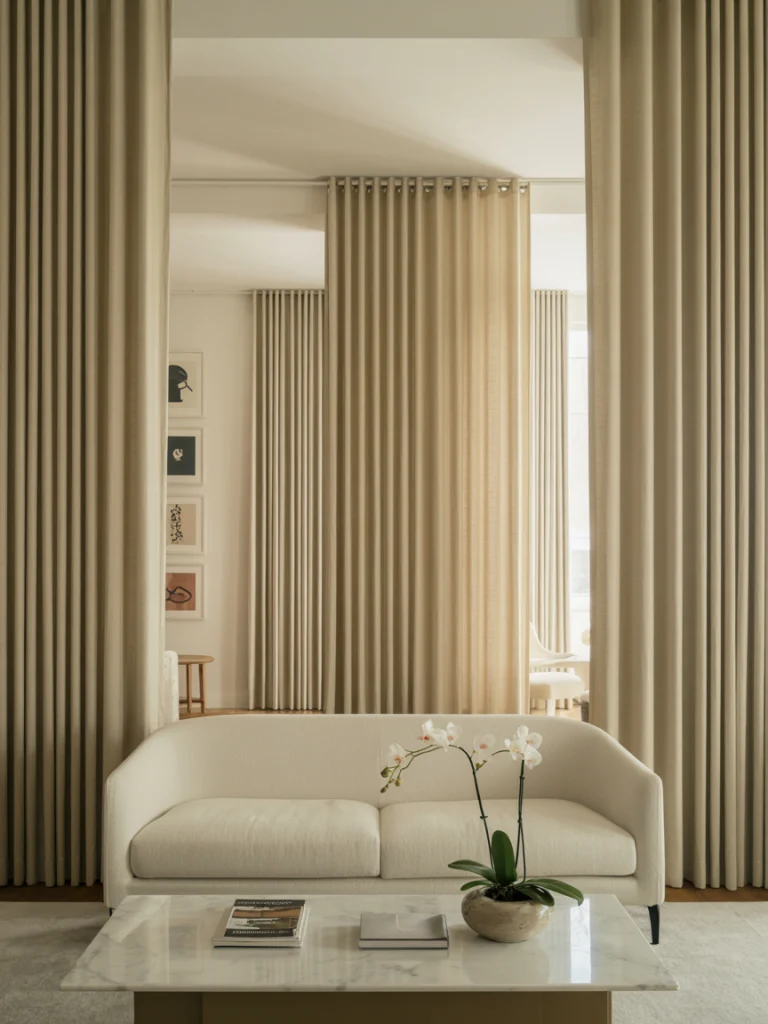

Hanging curtains from ceiling to floor in the same tone as the wall blurs where the wall ends. This elongates the space vertically, a must in apartments with low ceilings. Avoid cutting them at window height, it chops the room visually and makes it feel squat.
Disguise Your TV as Part of the Design:


Nothing kills a carefully styled living room faster than a giant black rectangle dominating it. Mount your TV on a dark accent wall so it blends, or frame it with floating shelves that display art and books. Some clients opt for Samsung’s Frame TV so the screen shows artwork when off.
Use Rugs as “Invisible Walls” in Open Layouts:
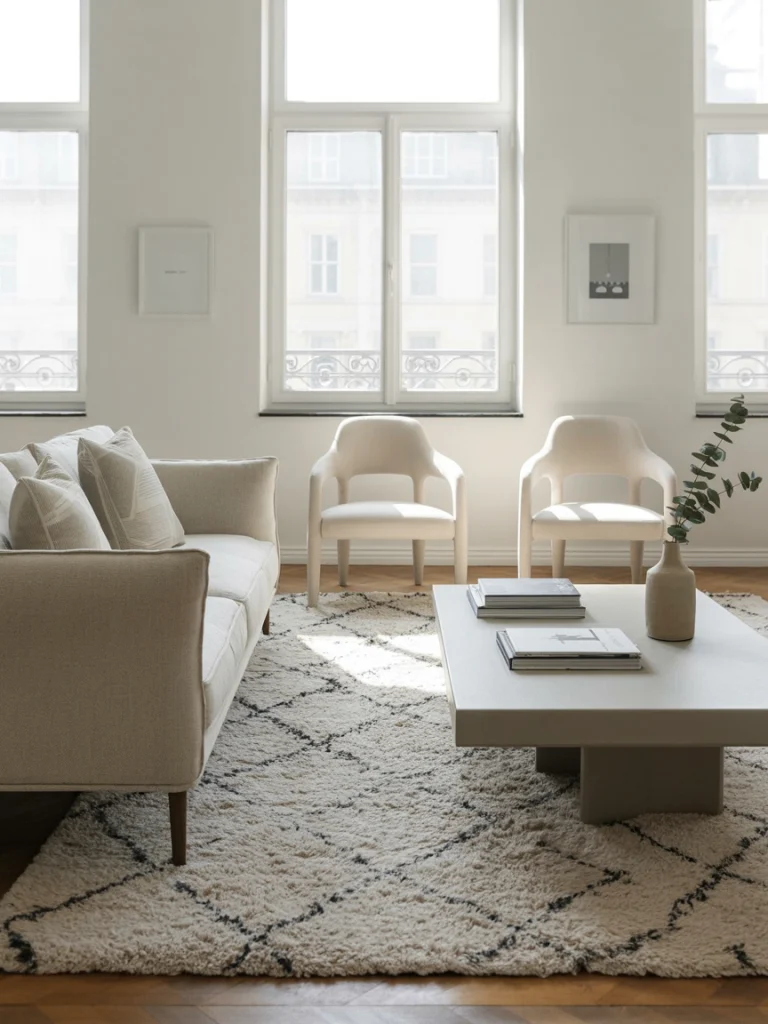
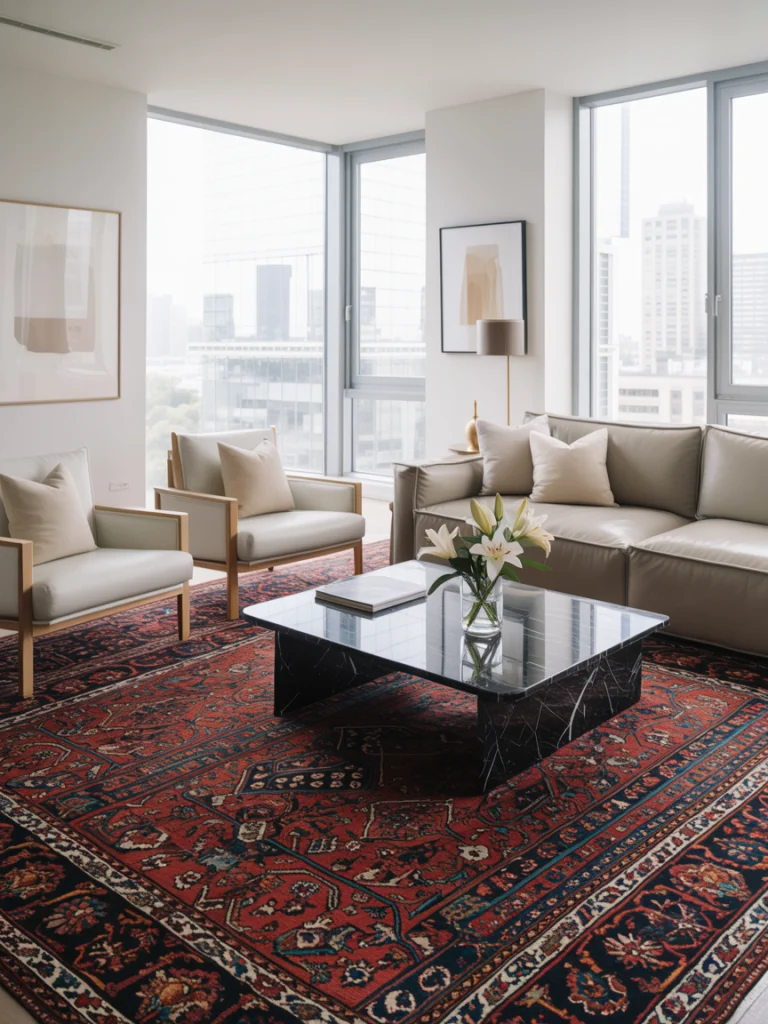
In open-plan apartments, rugs create boundaries without blocking light or views. Place a rug large enough for the sofa and chairs’ front legs to rest on. Avoid small rugs that “float” under a coffee table, they shrink the room visually.
Hide Storage in Plain Sight:

Ottomans with lift-up tops, coffee tables with drawers, and even sofas with hidden storage help maintain a clutter-free environment. In small apartments, visible clutter magnifies the sense of tightness, so keeping everyday items tucked away is key to mental calm.
Let Lighting Be the Art:


I’ve designed rooms where sculptural lighting replaced the need for wall art entirely. Think linear wall sconces, arching floor lamps, or LED strips tracing architectural lines. In apartments with minimal wall space, this doubles as both function and decor.
Choose Plants That Match Your Light Reality:


No amount of “watering more” can make a fiddle-leaf fig survive in a dark apartment. In low-light homes, I use snake plants, ZZ plants, and philodendrons. In sunny spaces, palms and monsteras can thrive. Grouping plants at varying heights gives depth without overcrowding.
Pick Chairs That Work Overtime:
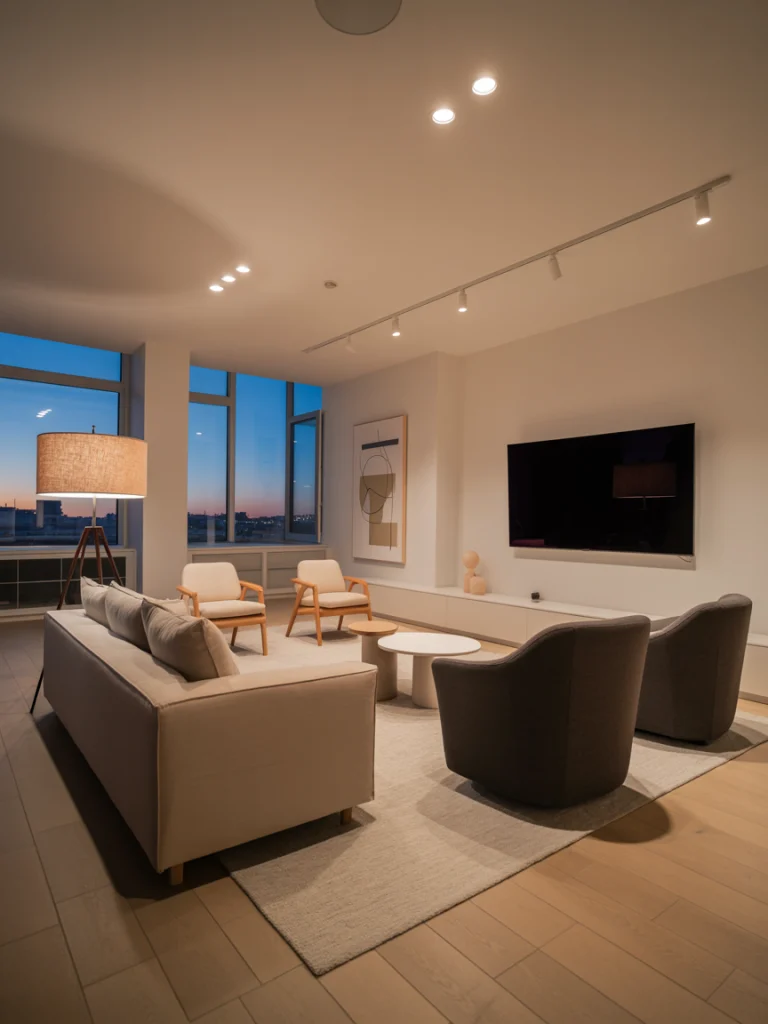

Swivel chairs are my go-to for tight apartments, they turn toward the TV or toward guests without needing to be dragged. Light, armless chairs are also easy to move to a dining table for extra seating. Every piece should earn its footprint.
Create Depth with Monochrome, Not Clutter:
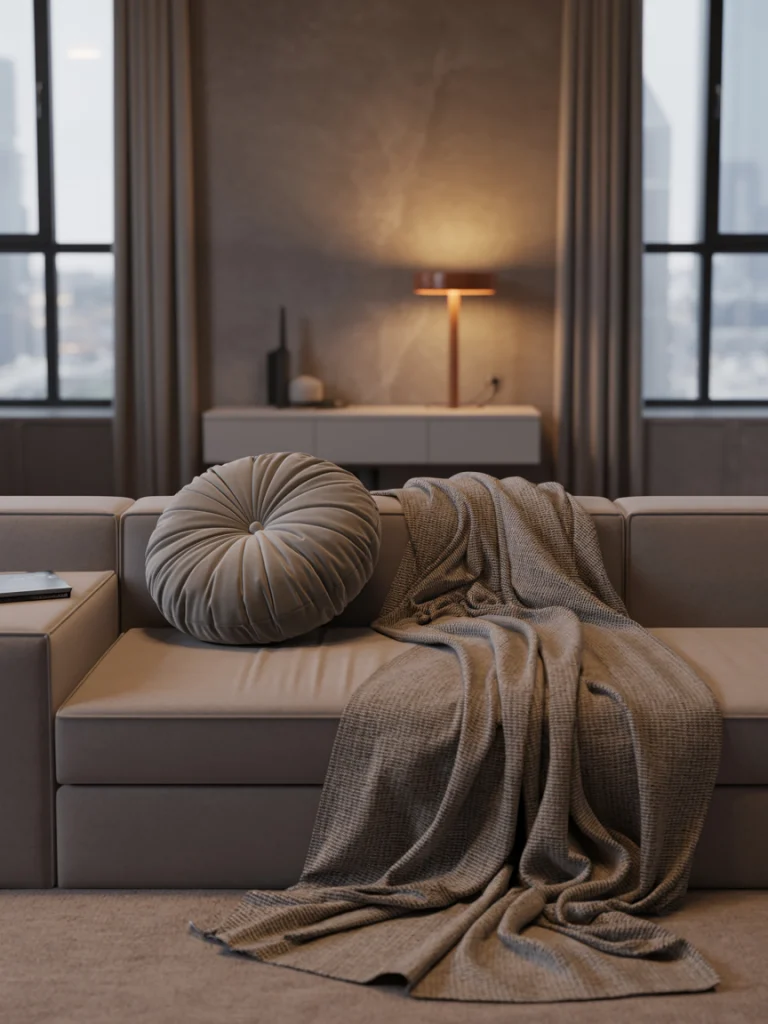
A room in shades of one color can feel surprisingly dynamic if you layer textures, think velvet cushions, a nubby wool throw, and a matte-painted wall all in warm gray. This keeps the eye moving without visual chaos.
Float Shelves to Free the Floor:

Floating shelves don’t just look modern, they keep floor space open, making cleaning easier and reducing the “crowded” feeling. Install them asymmetrically for a more organic, gallery-like look rather than perfect rows.
Use Mirrors as Statement Pieces:
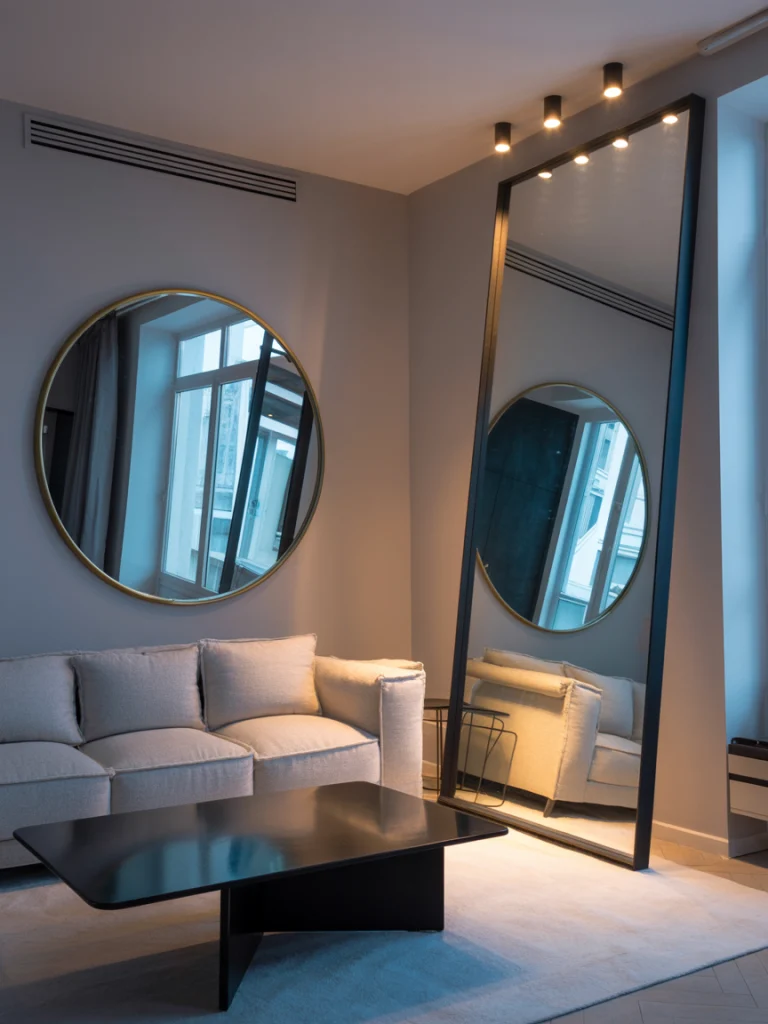

Mirrors multiply light and make spaces feel bigger, but their frames can also set the tone. A round brass mirror adds warmth to a cool palette, while a floor-to-ceiling mirror framed in black steel feels industrial and edgy.
Keep Pathways Sacred:
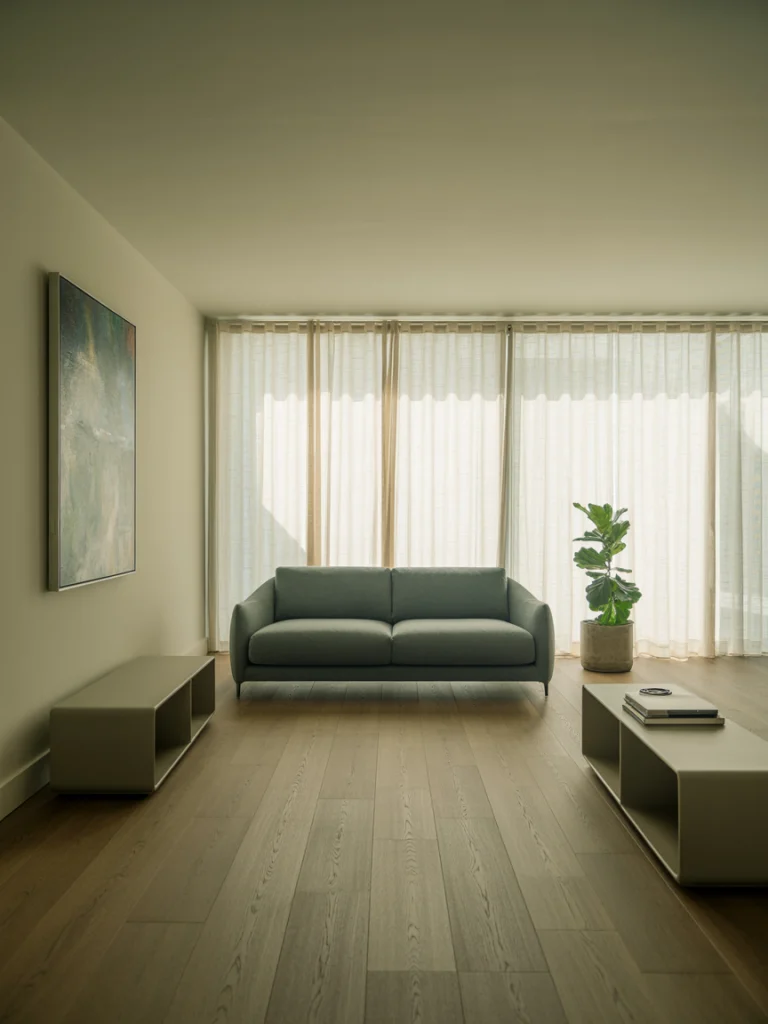
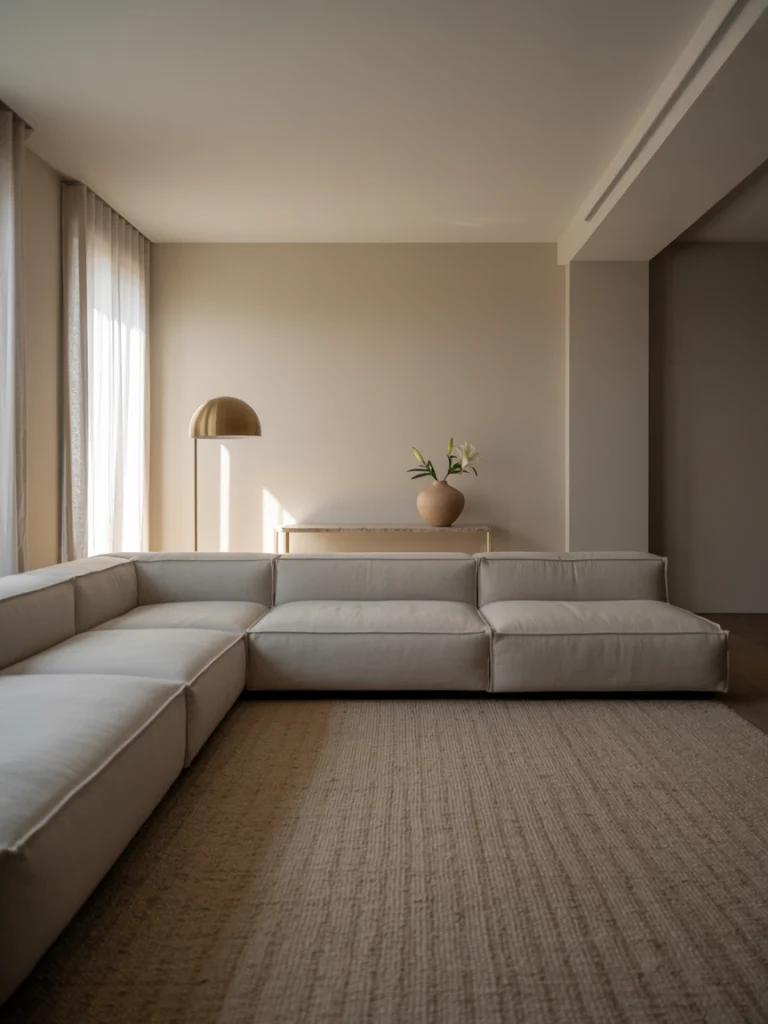
Never force people to weave around furniture to cross the room. In apartments, traffic flow is as important as furniture choice. If needed, downsize your sofa or remove a side table to restore a natural walking path.
Add a “Conversation Zone” Beyond the TV:


Creating a secondary seating nook with two chairs and a side table encourages connection. In one project, I placed this by a corner window, making it the go-to morning coffee spot for the homeowners.
Let Your Life Lead the Design:


The most timeless spaces are deeply personal. I always tell clients: if you love it, it will work. Mix in heirlooms, travel finds, or handmade items. These pieces tell your story and make the space yours, not a copy of a showroom.
Final Take:
A modern apartment living room isn’t just about fitting furniture into a small footprint, it’s about shaping an environment that supports your lifestyle. Every inch counts, so each choice should add value, comfort, and personality. If you focus on flow, light, and authenticity, you’ll create a space that not only looks modern today but will feel like home for years.


